
Overview
Home power washing is one of the most effective ways to restore your exterior without expensive repairs or repainting. In this blog post, Downeast Mobile Power Wash LLC’s power washing technicians explain how to clean your home safely and effectively. You’ll learn what surfaces can be cleaned, what equipment is used, and how to avoid damage. If you’re considering washing your home exterior, this guide will help you understand how it’s done right.
Highlights
- What power washing is
- What to do before cleaning
- How to power wash your siding
- What not to do when cleaning siding
- Why you should hire a professional power washer
Introduction
If your siding has lost some of its shine, a good cleaning might be all it needs. Dust, grime, and mildew accumulate slowly over time, even in well-maintained homes. A proper power wash can remove surface buildup and help preserve the look and condition of your exterior. Done right, it’s a simple, effective way to maintain your home.
In this guide, Downeast Mobile Power Wash LLC explains how to power wash your home safely and correctly, with a focus on siding. We’ll walk you through prep, technique, pressure settings, and common mistakes to avoid.
What Is Power Washing?
Power washing is the process of cleaning surfaces using a high-pressure stream of heated water. This method is commonly applied to home exteriors, driveways, decks, fences, and other outdoor areas to remove dirt, mold, algae, mildew, and stains.
The equipment typically delivers water pressure ranging from 1,300 to 3,000 PSI, depending on the material being treated. The added heat helps break down stubborn buildup more effectively, making it ideal for tough cleaning jobs.
When used correctly, this technique can reduce the need for harsh chemicals or heavy scrubbing.
What’s the Difference Between Power Washing and Pressure Washing?
Power washing and pressure washing are commonly confused, as both involve cleaning surfaces with high-force water. They’re used to remove buildup from siding, concrete, wood, and other exterior materials.
The key difference is heat. Power washing methods use hot water to loosen stubborn grime, oil, and mildew more effectively. Pressure washing methods rely on unheated water and are typically used for lighter cleaning tasks or delicate surfaces. While both achieve similar results, the presence of heat makes one more suitable for heavy-duty jobs, while the other is better for general maintenance or areas prone to surface damage.
What Types of Siding Can Be Power Washed?
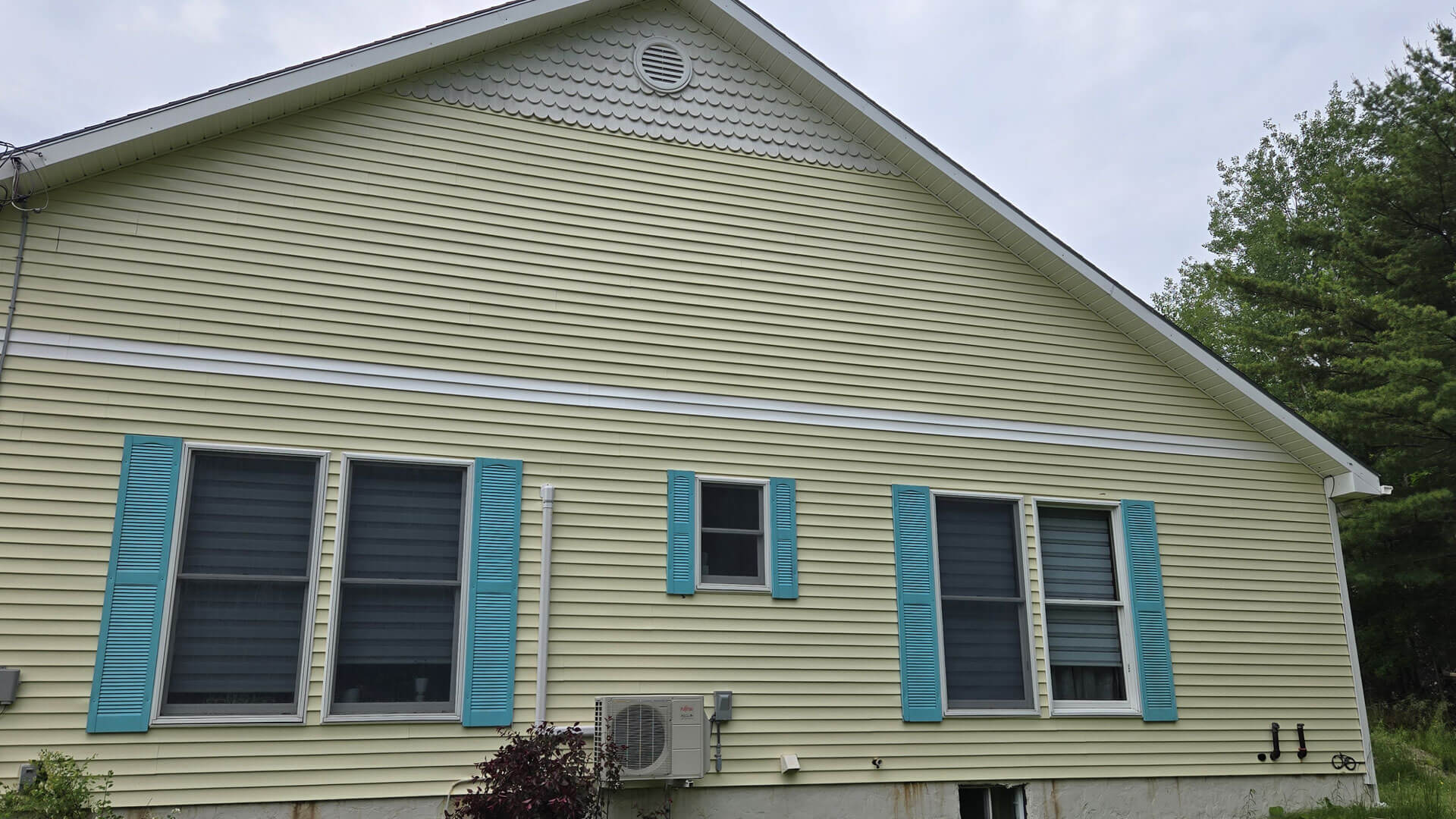
Power washing is effective on many different types of siding. When used correctly, it removes built-up grime, algae, and stains with minimal effort. Some siding types can be cleaned safely, but each material requires the right approach.
Commonly cleaned siding types include:
- Vinyl siding: Removes dirt, mildew, and surface buildup
- Fiber cement siding: Clears dust, grime, and light staining
- Aluminum siding: Lifts oxidation, streaks, and surface debris
- Composite siding: Cleans general buildup and restores surface appearance
Always inspect surfaces before cleaning. If an area shows signs of damage or deterioration, consider a lower-pressure alternative.
When Is the Best Time To Clean the Exterior of Your House?
The ideal time to clean your home’s exterior is during mild, dry weather. Spring and early fall are generally the best seasons, as temperatures are comfortable and humidity levels are low. These conditions allow surfaces to dry more quickly and evenly after cleaning.
Spring cleaning helps remove dirt, salt, and mildew that may have built up over the winter months. Fall is a good time to wash away summer dust and prepare your home for the colder season ahead.
Avoid washing your home during extreme heat, freezing temperatures, or heavy pollen periods, as these can affect safety, visibility, and overall results. Choosing a calm, overcast day can also help prevent streaks and drying too quickly.
What Do You Need To Do Before Power Washing Your House?
Before you start power washing, it’s important to look at the bigger picture. Not every home should be cleaned the same way, and a few key factors can make a big difference in how the job turns out. The type of siding you have, the time of year, the pressure you plan to use, and the cleaning solution you choose all play a role in both the results and the safety of the process.
After reviewing those factors, clear the area by moving furniture and vehicles, trimming plants, and covering outlets and fixtures. This quick prep step helps prevent damage and makes the cleaning process more efficient.
How Do You Power Wash Siding?
The first step in power washing your siding is having the work area prepared. Move furniture, cover outlets and fixtures, and check that your siding or other surfaces are in good condition. A professional will set up the equipment, select the appropriate nozzle, and test the spray on a small, out-of-the-way spot to ensure the water flow is steady and controlled. If they’re using a cleaning solution, they apply it evenly and let it sit for a brief time to loosen buildup.
They begin washing from the top of the wall and work their way down in overlapping passes. They keep the nozzle at a consistent distance and avoid spraying into vents, seams, or open gaps. When they’ve covered the area, they rinse thoroughly to remove any residue, then check the results before moving on. They take their time and stay consistent.
What Power Washing Equipment Is Used?
Power washing siding requires a reliable setup designed to clean thoroughly while protecting the surface. Most jobs begin with a pressure washer equipped with a spray gun, a high-pressure hose, and a set of interchangeable nozzles. These nozzles control the spray pattern and help with adjusting coverage based on the area being cleaned.
For siding, a wide-angle tip is often the best choice. It allows for consistent cleaning across large sections without damaging the material. Many machines include a built-in detergent tank or a soap applicator for siding-safe solutions. Extension wands are helpful for reaching higher walls, and safety gear, such as gloves and goggles, is always worn.
What Pressure Level Should Be Used on Different Materials?
It’s important to adjust the pressure based on the material being cleaned. Applying too much force can damage delicate surfaces, so it’s crucial to use caution and choose the appropriate setting for each area.
Here’s a breakdown by category:
- Low pressure (500 to 1,000 PSI): For wood siding, engineered wood, and painted surfaces
- Low to medium pressure (1,000 to 1,500 PSI): For vinyl siding and aluminum siding
- Moderate pressure (1,500 to 2,000 PSI): For fiber cement siding and durable composite materials
It’s best practice to start at the lower end of each range, test a small area first, and increase gradually if needed.
What Power Washing Cleaning Solution Do You Need?
The cleaning solution used depends on the surface you’re treating and the type of buildup you’re trying to remove. For general home exteriors, a siding-safe detergent can help loosen dirt, mildew, and algae more effectively than water alone.
Wood decks often require a specialized cleaner that lifts stains without damaging the grain or finish. Concrete areas benefit from degreasers that break down oil and grime. If you’re concerned about runoff affecting plants or soil, many eco-friendly alternatives are available that are biodegradable and safe for landscaping.
When choosing a solution, it should be compatible with your equipment and suited for the material being cleaned. Professionals follow dilution guidelines and avoid mixing products unless directed.
What Shouldn’t You Do When Power Washing Siding?
Power washing your siding can be highly effective, but using the wrong technique can lead to damage, safety risks, or poor results.
Professionals know to avoid the following:
- Using too much pressure: Cracking panels or forcing water behind them
- Spraying upward into gaps: Driving moisture into seams, vents, or insulation
- Applying harsh or incorrect cleaners: Stripping finishes or discoloring surfaces
- Leaving fixtures unprotected: Exposing outlets, windows, and lights to water
- Skipping proper safety precautions: Increasing the risk of injury or uneven results
Taking a careful, controlled approach will help ensure a clean you can feel confident about.
Why Hire a Professional Power Washer?
Hiring a professional power washer ensures the job is done thoroughly and safely. Experienced technicians know how to match the right pressure and technique to each surface, preventing damage to siding, paint, or delicate materials.
They use commercial-grade equipment that delivers stronger, more consistent results than typical consumer models. Professionals also understand how to apply cleaners properly and rinse without leaving residue or streaks.
Instead of spending time learning how to operate unfamiliar equipment, you get reliable results with less risk. For large homes, multi-story buildings, or stubborn buildup, a professional is simply more efficient and effective.
Restore Your Home’s Exterior With Expert Power Washing
Sometimes, all your home really needs is a good clean. Not a renovation. Not new paint. Just a careful, thorough wash that brings everything back to life. That’s where home power washing makes all the difference.
That’s exactly what we do at Downeast Mobile Power Wash LLC. We don’t blast and go. We take the time to adjust our pressure, choose the right techniques for each surface, and treat your home with respect. Our goal is to help your home look its best without damage or stress.
Call us at (207) 989-8848 to get started with your power wash service.