Overview
In this blog, Downeast Mobile Power Wash LLC explains how power washing removes graffiti, what determines whether it can be done safely, and how professionals adapt their cleaning methods to different surfaces. We'll also discuss the techniques used to protect building materials and when professional graffiti removal is recommended.
Highlights
- How power washing removes graffiti
- Factors affecting safe graffiti removal
- Graffiti removal on different surfaces
- How professionals prevent surface damage
- When to hire a professional for graffiti removal
Introduction
Discovering graffiti on your building can be frustrating, especially when you're unsure how to remove it without damaging the surface underneath. Whether the markings cover brick, concrete, metal, or painted siding, you want them gone without compromising the original material.
Power washing can remove graffiti from many of these surfaces, but the same technique won't necessarily work on all of them. Understanding how different materials respond to cleaning methods can help you recognize which approaches are effective, when additional treatments may be necessary, and how to avoid unnecessary damage.
How Does Power Washing Remove Graffiti?
Power washing removes graffiti by using pressurized water to loosen and wash away unwanted paint, ink, and other markings. Depending on the type of graffiti and how firmly it has adhered to the surface, the process may also involve heated water or specialized cleaning solutions.
How long the graffiti has been there can make a difference. Fresh markings may be easier to remove before the paint has fully cured, particularly on smooth, nonporous surfaces. In some cases, water alone may be sufficient. However, even recently applied spray paint can resist rinsing, especially when it contains water-resistant binders or has penetrated a porous material.
As paint dries and cures, its binding agents form a more durable film that adheres to the underlying surface. This can make older graffiti more difficult to remove without additional cleaning treatments.
The Role of Water Pressure
Water pressure helps separate unwanted paint from the surface by applying mechanical force. On durable materials, controlled pressure can loosen paint particles and lift residue from small grooves and textured areas. Increasing pressure doesn't automatically improve the result. If the paint is strongly bonded to the material, excessive force may cause etching, pitting, or the removal of protective coatings before the graffiti comes loose.
How Hot Water and Cleaning Solutions Help
Hot water can improve graffiti removal by softening certain paint films and helping cleaning products work more effectively. This can reduce the mechanical force required to remove stubborn markings.
Specialized graffiti removers provide another advantage. These products are designed to weaken or dissolve paint binders, making the markings easier to rinse away. The process generally involves applying a compatible cleaning product, allowing sufficient contact time, and carefully removing the loosened material.
The appropriate combination depends on the paint and surface involved. Some coatings respond well to heated water, while others require a specific chemical treatment or a different removal method.
What Determines Whether Graffiti Can Be Removed Safely?
The safest graffiti removal method depends on both the markings and the surface they're applied to. Different paints and inks respond differently to water, heat, and cleaning solutions, while building materials vary in how readily they absorb paint and withstand washing.
The following factors influence which treatments are effective and how much pressure can be used without affecting the original surface.
Surface Porosity
Porosity refers to the presence of tiny openings within a material that can absorb liquids. Porous materials, including brick, concrete, and some natural stones, allow paint to penetrate below the surface. Once pigments enter these openings, removing the visible paint film may leave discoloration behind.
Smooth, nonporous materials generally resist paint penetration, making surface-level removal easier in some circumstances. However, even a nonporous material may have a delicate finish that requires careful treatment.
Paint Type and Adhesion
Different graffiti materials have different chemical compositions, affecting how firmly they bond to a surface.
Common examples include:
- Aerosol spray paint: Forms a coating that can penetrate textured or porous materials
- Permanent markers: Contain inks and dyes that may leave persistent stains
- Paint markers: Often produce concentrated markings with strong adhesion
- Multiple paint layers: Can require several treatments because the underlying layers may respond differently
A cleaning method effective against one type of graffiti may have little effect on another.
Age and Condition of the Surface
The existing condition of the building material also influences cleaning safety. Weathered brick, deteriorating mortar, peeling paint, and previously damaged concrete may be more vulnerable to aggressive washing. Older graffiti can present additional challenges because its paint film may have fully cured or become difficult to dissolve. Weather exposure can also alter the coating, sometimes making removal easier and sometimes more complicated.
The goal is to remove the unwanted markings without worsening any existing deterioration.
Can Power Washing Safely Remove Graffiti From Any Surface?
Power washing can be effective on many exterior materials, but not every surface can withstand the same treatment. Some materials tolerate carefully controlled water pressure, while others require gentler methods or specialized products. The original finish, structural condition, and type of graffiti all influence the appropriate approach.
Brick and Mortar
Brick is a common target for graffiti, particularly on commercial buildings, alleyways, and exposed exterior walls. Its porous structure makes removal challenging because spray paint can settle into small openings and irregularities. Mortar joints create another concern. Mortar may be softer or more deteriorated than the surrounding brick, making it vulnerable to excessive pressure.
Aggressive washing can damage the brick face, erode mortar, or create uneven cleaning patterns. For these reasons, graffiti removal from brick often involves a compatible cleaning solution and controlled rinsing rather than relying on force alone. Older or historic masonry may require specialist conservation methods.
Concrete
Concrete is generally durable, but that doesn't make it immune to cleaning damage. Unsealed concrete can absorb pigments, particularly when graffiti remains on the surface for an extended period. Its rough texture can also trap paint in small depressions. Excessive pressure can also remove surface paste, expose aggregate, or create visible lines across the concrete.
Professionals may use graffiti removers to loosen embedded paint before washing. This approach can reduce the need for aggressive pressure, although deeply absorbed pigments may still leave residual staining.
Painted Metal
Metal doors, shutters, fences, and exterior fixtures often have protective paint or powder-coated finishes. Although the metal itself often tolerates washing, the finish can be considerably more sensitive. Some graffiti removers may soften or dissolve the original coating along with the unwanted markings. Excessive water pressure can also lift loose paint or damage compromised finishes.
Cleaning painted metal therefore requires particular attention to chemical compatibility. When graffiti cannot be separated from the original finish, repainting may be more practical than repeated removal attempts.
Wood and Painted Siding
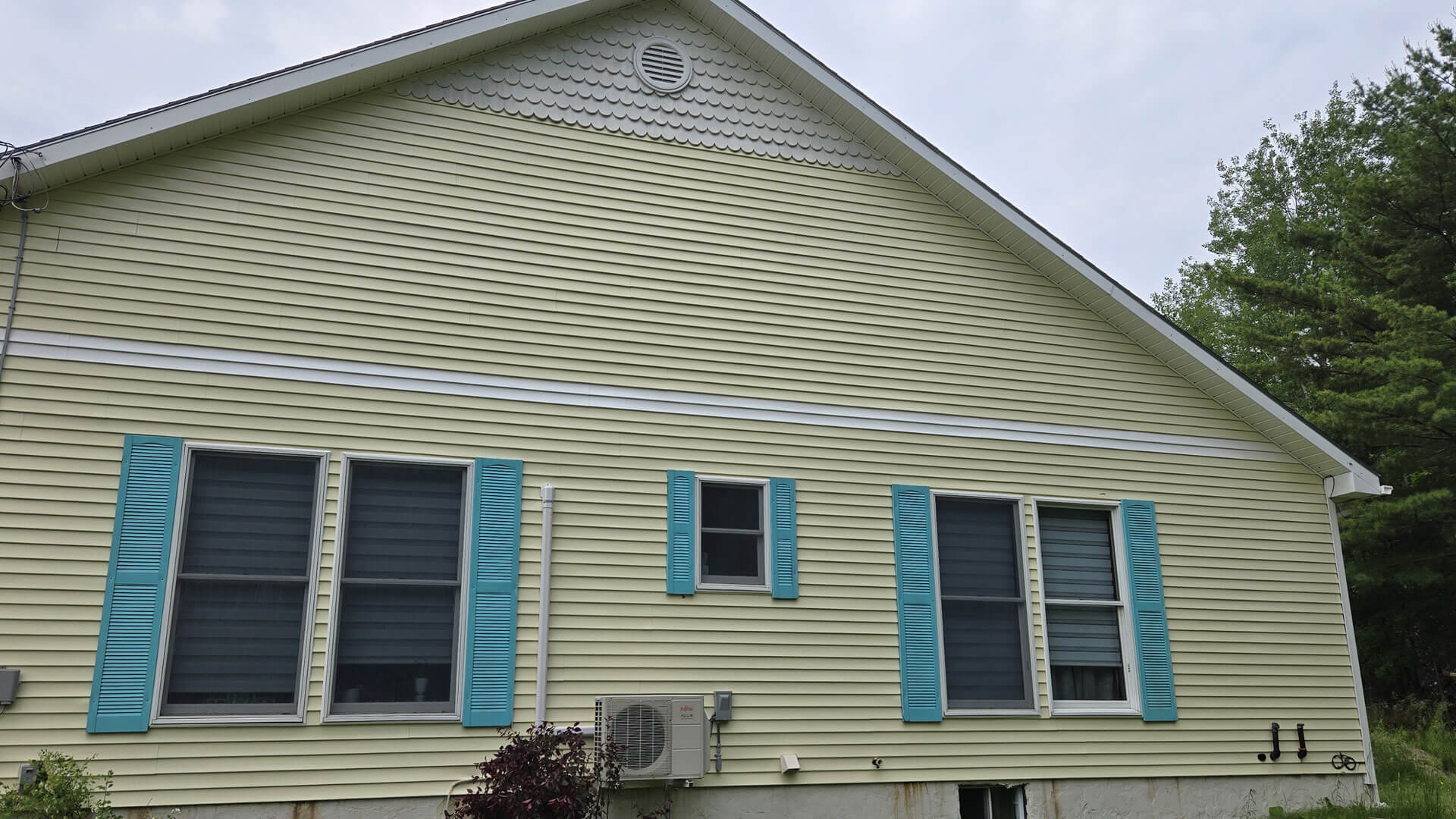
Wood and certain siding materials require additional caution because high-pressure washing can damage their surfaces. Wood fibers may splinter or become raised when exposed to excessive force. Painted siding can lose its finish, while water may enter joints or gaps if directed improperly.
Graffiti removal from these materials often requires gentler cleaning products and limited pressure. If the existing finish is already deteriorating, refinishing may provide a better outcome than attempting aggressive washing.
How Do Professionals Prevent Damage During Graffiti Removal?
Professional graffiti removal requires controlling several cleaning variables to remove unwanted markings while protecting the underlying material.
-
Identify the Surface and Its Condition
Professionals examine the building material, its finish, and any existing deterioration to determine which cleaning methods it can tolerate.
-
Select Compatible Cleaning Products
They choose cleaning solutions based on the graffiti material, underlying surface, and manufacturer's recommendations. The goal is to loosen the markings without affecting the original finish.
-
Test the Cleaning Method
A small, inconspicuous test area helps confirm whether the selected product, pressure, and technique can remove the graffiti without unwanted changes to the surface.
-
Control Pressure, Temperature, and Technique
Several operating factors influence how forcefully water contacts a surface:
- Water pressure: Determines the force available to loosen unwanted material
- Nozzle selection: Influences how concentrated or dispersed the spray becomes
- Working distance: Changes the impact of water against the surface
- Spray angle: Affects how water contacts coatings, joints, and textured materials
- Water temperature: Influences the effectiveness of cleaning certain paint residues
These factors must work together. For example, a narrow spray held too close to masonry can concentrate force in a small area, while a broader spray pattern can reduce the risk of damage.
-
Rinse and Evaluate the Results
Once the graffiti has been treated, controlled rinsing removes loosened paint and cleaning residue. The surface should then be examined for remaining pigments, uneven discoloration, or signs of damage.
If markings remain, another targeted treatment may be appropriate. However, repeatedly increasing pressure isn't necessarily the safest solution. When further cleaning threatens the original material, stopping the process may prevent more serious damage.
When Should You Hire a Professional for Graffiti Removal?
Professional graffiti removal is particularly important when stubborn markings cover large areas or surfaces that could be damaged by improper cleaning.
Consider hiring a professional when:
- Graffiti covers porous brick, concrete, or natural stone
- The surface has a protective paint or sealant
- The markings contain multiple layers or unfamiliar materials
- Previous cleaning attempts have left stains or discoloration
- The affected area includes deteriorating or historic materials
- Cleaning requires specialized equipment or wastewater containment
Professionals can determine the safest removal method, minimize surface damage, and manage cleaning residue and wastewater appropriately.
Restore Your Property With Professional Graffiti Removal
Downeast Mobile Power Wash LLC provides professional power washing services to remove graffiti from residential and commercial properties while minimizing the risk of surface damage. Call (207) 989-8848 today to schedule graffiti removal and restore your property's appearance.