

Overview
A new coat of paint, stain, or sealer can transform an exterior surface, but the finished result depends heavily on what happens before the coating is applied. Dirt, algae, loose material, and other contaminants can interfere with surface preparation and affect how well a new finish performs. In this blog, Downeast Mobile Power Wash LLC explains where power washing fits into the preparation process, which surfaces may benefit, and what needs to happen before painting, staining, or sealing begins.
Highlights
- Why preparation matters
- When power washing helps
- Preparing different surfaces
- Planning the next step
Introduction
You’ve chosen a paint color, picked a deck stain, or decided it’s finally time to seal the concrete. It can be tempting to get straight to the part of the project that produces the visible transformation.
The condition of the surface underneath that new finish matters just as much.
Exterior surfaces collect contaminants through everyday exposure to weather, traffic, vegetation, and other environmental conditions. If those materials remain when a coating is applied, you may be putting a fresh finish over a surface that isn’t ready to hold it.
Power washing can be one part of preparing that surface. However, effective preparation involves more than making an area look clean. You need to consider the material, its condition, the coating you plan to use, and what additional preparation the manufacturer requires.
Why Does Surface Preparation Matter?
Paints, stains, and sealers perform best when they’re applied to a properly prepared surface. Preparation creates a suitable foundation for the coating and helps prevent contaminants from becoming trapped underneath it.
This is particularly important outdoors, where a surface may have accumulated years of dirt and organic growth before you decide to refinish it.
For example, a deck may look faded because of weather exposure, but it can also have dirt embedded in the wood grain. A concrete patio may appear relatively clean while still holding grease, dust, or residue in its porous surface. Siding can develop grime in areas that receive less sunlight or airflow.
A new coating doesn’t make these underlying conditions disappear.
Contaminants Can Affect the New Finish
A surface can look ready from a distance while still having material that needs to be removed.
Depending on the location and material, preparation may need to address:
- Dirt and mud
- Algae and mildew
- Oil and grease
- Loose or flaking coatings
- Dust and chalky residue
- Organic debris
The exact preparation requirements depend on what you’re refinishing. For concrete coatings, for example, manufacturers commonly emphasize removing dirt, loose contaminants, oil, and grease before applying the new finish.
Cleaning, however, shouldn’t be confused with completing every stage of preparation. Some projects also require scraping, sanding, etching, grinding, repairing, or another process before the new coating goes on.
When Should You Power Wash Before Refinishing?
Power washing can be useful when the surface is durable enough for the cleaning method and has accumulated material that needs to be removed before refinishing.
The goal isn’t simply to make the area look brighter. It’s to remove contaminants that could interfere with later preparation and leave the surface in better condition for the next stage.
Before Painting an Exterior Surface
If an exterior is covered in dirt or organic buildup, painting directly over it can leave unwanted material beneath the coating. Cleaning gives you a better look at the actual condition of the surface.
That last point can be especially helpful. Dirt sometimes disguises peeling paint, cracks, damaged wood, deteriorated caulking, and other defects. Once the surface is clean, you can identify areas that require repair or additional preparation before opening the paint can.
Power washing isn’t necessarily the right cleaning technique for every painted surface. Older, delicate, damaged, or loosely coated materials may require a gentler approach.
Before Staining a Deck or Other Wood Surface
Wood preparation requires particular care because the objective is to clean the material without damaging its fibers.
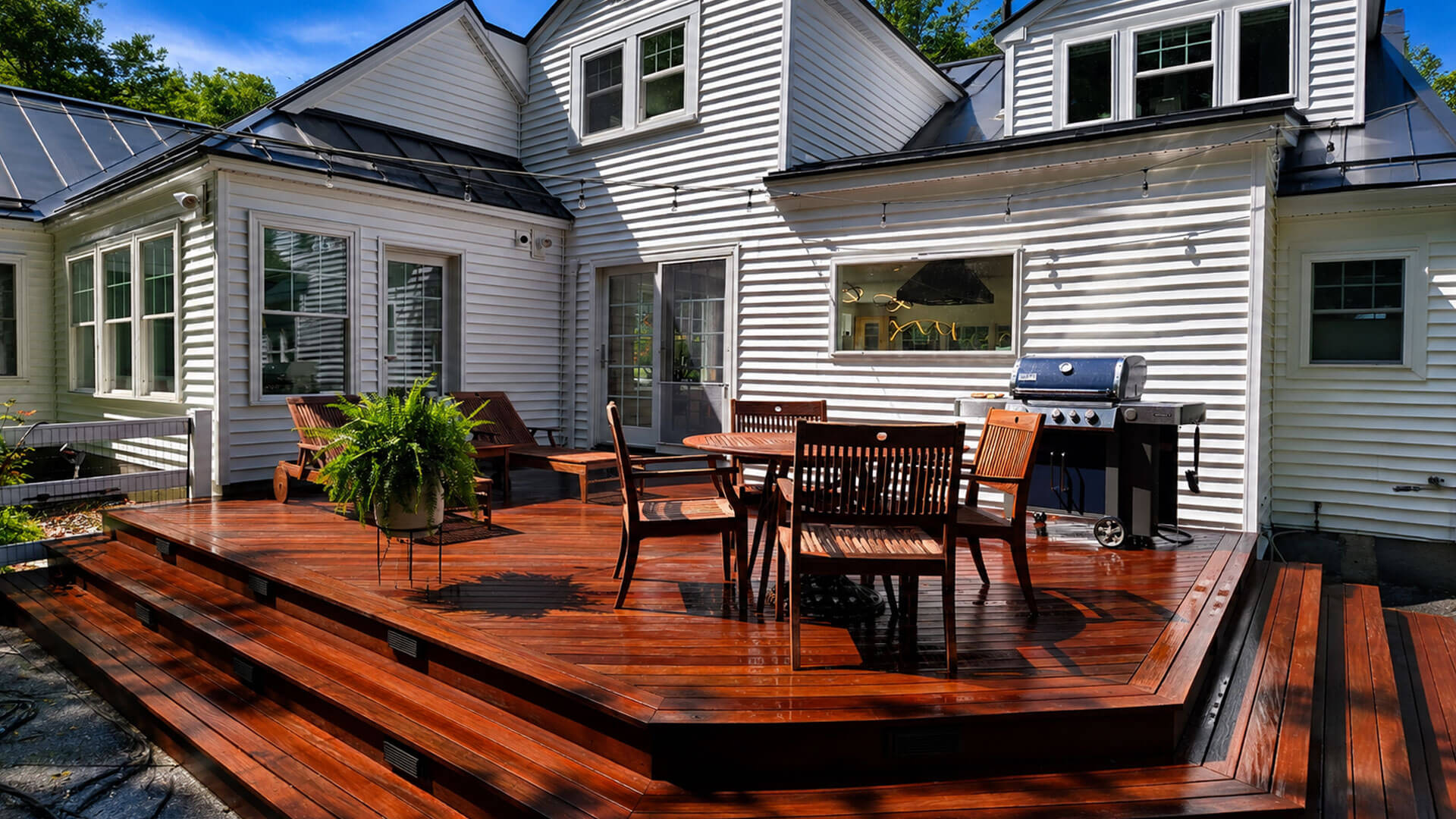
Deck boards can accumulate dirt, algae, pollen, and remnants of previous finishes. Removing surface contamination helps reveal the wood underneath and makes it easier to determine what other preparation is necessary.
Pressure is only one part of the equation. The condition and species of wood, existing finish, equipment, cleaning products, technique, and intended stain all influence how the surface should be treated.
If old stain or paint remains, washing alone may not remove enough of the previous coating. Additional stripping or sanding could be necessary according to the new product’s application requirements.
Before Sealing Concrete
Concrete is porous, which means contaminants can settle into its surface instead of remaining entirely on top.
Cleaning may be an important early step if a driveway, walkway, patio, or other concrete area is being prepared for a sealer or coating. Concrete preparation guidance commonly calls for removing loose debris as well as oil and grease. Power washing can then be used as part of the cleaning or rinsing process in appropriate applications.
Still, power washing isn’t a substitute for every other concrete preparation method. Depending on the existing surface and planned coating, etching, grinding, stripping, or other treatment may also be necessary. Sherwin-Williams notes that concrete preparation can range from basic power washing to more aggressive mechanical methods depending on the substrate.
How Do Different Surfaces Need To Be Prepared?
One pressure setting and technique won’t work equally well on every exterior material.
A concrete driveway and wooden deck have very different characteristics. Even two surfaces made from the same material can require different treatment when one is newer and sound while the other is weathered, cracked, or coated.
That’s why surface preparation should begin by identifying what is being cleaned and what condition it’s in.
Wood Requires Controlled Cleaning
Too much pressure on wood can damage the surface rather than prepare it. Aggressive washing may raise or splinter fibers and create more refinishing work.
The cleaning approach should account for the condition of the boards and the coating that will eventually be applied. A weathered deck with an old finish may require a different process from relatively new unfinished wood.
After cleaning, inspect the boards for problems that need attention, such as loose fasteners, splintered sections, decay, or remaining finish.
Concrete May Need More Than Washing
Concrete is durable, but that doesn’t mean every stain will disappear through water pressure alone.
Oil and grease are good examples. These substances can penetrate porous concrete, which may make an appropriate degreaser or cleaner necessary. Heavily stained areas can require repeated treatment.
Concrete that will receive paint, stain, or sealer may also need a particular surface profile for the product to adhere correctly. Cleaning removes contamination, while processes such as etching or mechanical preparation can serve a different purpose by preparing the concrete itself for the coating.
Following the coating manufacturer’s instructions is important because preparation requirements vary.
Siding Depends on Its Material and Condition
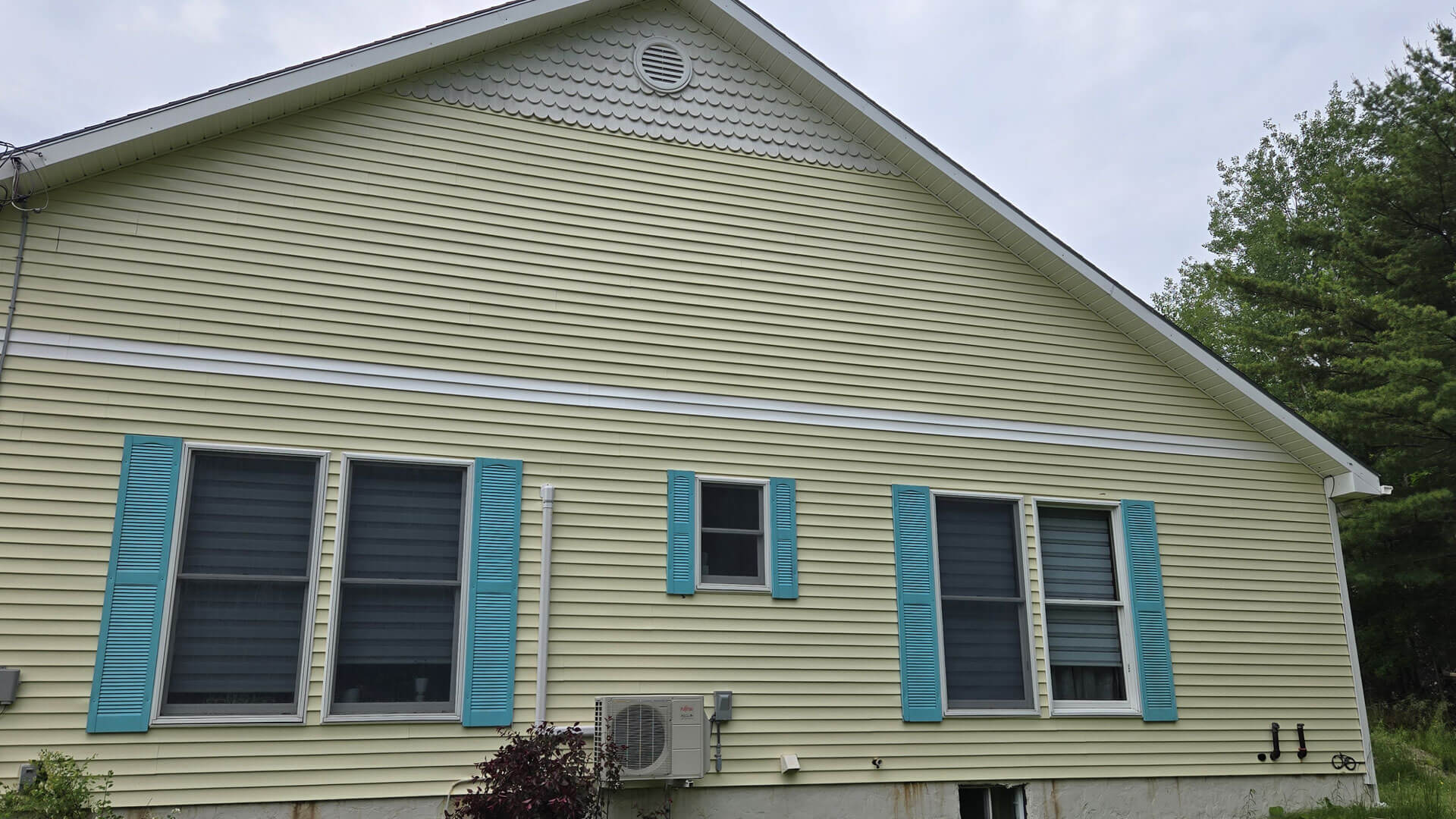
Exterior siding can collect pollen, dirt, algae, and other buildup that you don’t want underneath fresh paint.
The appropriate cleaning technique depends on the siding material and its condition. Durable masonry won’t necessarily be treated the same way as wood or vinyl. Older or vulnerable surfaces may call for lower pressure or another cleaning method.
The goal is controlled cleaning, not simply using as much pressure as possible.
What Should Happen After Power Washing?
A clean surface isn’t automatically ready for an immediate coat of paint or stain.
Once washing is complete, the surface should be inspected again. Cleaning can expose flaws that weren’t obvious beforehand, giving you an opportunity to deal with them before they become hidden underneath the new finish.
Complete Any Remaining Preparation
Depending on your project, the next steps may include scraping loose paint, sanding rough areas, repairing cracks, replacing damaged material, stripping an old coating, or completing manufacturer-required concrete preparation.
Think of power washing as one stage in a sequence rather than the entire preparation process. The coating manufacturer’s instructions should guide what comes next. If a product requires a specific cleaner, primer, surface profile, moisture level, or preparation method, follow those requirements rather than assuming washing alone is sufficient.
Allow the Surface To Dry
Washing introduces moisture, so adequate drying time is essential before many coatings are applied.
The amount of time required varies with the material, weather, humidity, airflow, and coating specifications. Concrete and wood can retain moisture even when the surface appears dry.
Applying a coating before the substrate is ready can create avoidable problems. Sherwin-Williams, for example, emphasizes that concrete should be clean and dry before certain sealers are applied and notes that moisture and contaminants can contribute to coating problems.
Rather than relying on a universal waiting period, check the instructions for the paint, stain, or sealer you plan to use.
Protect the Clean Surface
Once the surface is prepared, try to keep it that way until the next stage of the project.
Rain, falling leaves, lawn clippings, dust, vehicle traffic, and other sources of contamination can undo some of your preparation. If there’s a significant delay between cleaning and refinishing, inspect the area again before applying the coating.
You may need to remove new debris or complete additional cleaning.
Can Power Washing Replace Sanding or Stripping?
Usually, you should treat these as different processes.
Power washing is useful for removing many types of surface contamination, but sanding, stripping, etching, and grinding accomplish different preparation goals.
If paint is peeling from wood, for example, the remaining loose coating may still need to be scraped or sanded after washing. If a concrete surface has an existing coating, the new product may require that coating to be removed before refinishing.
For some concrete projects, power washing alone won’t create the surface profile necessary for a coating to bond properly. More aggressive mechanical preparation may be appropriate when the concrete isn’t sufficiently absorbent.
The best preparation method is ultimately determined by the existing surface and the finish you intend to apply.
Start Your Refinishing Project With a Clean Surface
A successful exterior refinishing project begins well before the first brushstroke. Removing dirt, grime, organic growth, and other contaminants can help you assess the true condition of a surface and complete the remaining preparation it needs.
Downeast Mobile Power Wash LLC provides professional mobile power washing for residential and commercial properties. Whether you’re preparing an appropriate exterior surface for a larger restoration project or simply need to remove stubborn buildup, experienced cleaning can give you a cleaner starting point.
Call (207) 989-8848 today to discuss your power washing needs and get your exterior project off to a cleaner start.