Many exterior surfaces benefit from routine power washing. However, each material responds differently to water pressure, temperature, and cleaning techniques. Understanding which surfaces can be safely power washed helps protect your property’s appearance and long-term condition. In this blog post, join Downeast Mobile Power Wash LLC as we explore the different surfaces around your property that can be safely power washed and why using the right cleaning methods produces better, longer-lasting results.
Highlights
- Why surface material matters
- Cleaning concrete and masonry surfaces
- Caring for wood surfaces
- Exterior building surfaces that benefit from power washing
- Commercial equipment and specialty cleaning
- Why professional power washing delivers better results
Introduction
Exterior surfaces are exposed to the elements every day. Rain, dirt, pollen, mold, mildew, algae, road salt, vehicle exhaust, grease, and other contaminants gradually build up throughout the year, affecting both the appearance and condition of your property. While some materials simply look dirty over time, others can become slippery, stained, or increasingly difficult to clean if buildup is allowed to remain.
Many homeowners and business owners assume power washing works the same way on every surface. In reality, successful cleaning depends on understanding the material being cleaned and adjusting the equipment accordingly. Using excessive pressure on one surface may cause unnecessary wear, while using too little pressure on another may leave contaminants behind.
In this blog post, join Downeast Mobile Power Wash LLC as we explore the different surfaces around your property that can be safely power washed and why using the right cleaning approach helps protect their appearance and long-term condition.
Why Does Surface Material Matter?
Power washing is effective because it can be adapted to a wide variety of materials. Professional equipment allows technicians to adjust water pressure, temperature, flow rate, and cleaning methods based on the surface they’re cleaning.
Several factors influence the safest and most effective approach, including:
- Surface hardness and durability
- Water absorption and porosity
- Existing coatings or finishes
- Type of dirt, grime, or organic growth
- Age and overall condition of the material
- Appropriate pressure and water temperature
Different materials also collect different types of contaminants. Concrete commonly develops oil stains, tire marks, and embedded dirt, while wood is more prone to mildew and weathering. Commercial equipment often accumulates grease and heavy grime, and roofing materials may require specialized cleaning methods to remove organic growth safely.
Understanding these differences allows professionals to clean thoroughly while protecting the surface beneath.
Cleaning Concrete and Masonry Surfaces
Concrete and masonry are among the most common surfaces that benefit from routine power washing. Although these materials are highly durable, they gradually collect dirt, algae, mildew, rust stains, vehicle fluids, and other contaminants that can diminish their appearance. Regular cleaning restores their look while improving traction in high-traffic areas.
Driveways, Sidewalks, and Walkways
Driveways and sidewalks endure constant exposure to vehicles, foot traffic, changing weather, and seasonal debris. Over time, oil, grease, tire marks, mud, leaves, and organic growth can leave these surfaces stained and discolored. In shaded areas, algae and mildew may also create slippery conditions after rain.
Professional power washing removes stubborn buildup far more effectively than a garden hose or most consumer-grade power washers, helping restore a cleaner, brighter appearance across your property.
Patios, Retaining Walls, and Masonry Features
Outdoor living areas deserve the same attention. Patios, retaining walls, stone walkways, decorative masonry, and concrete steps naturally collect dirt and organic matter that settles into textured surfaces.
Common issues include:
- Embedded dirt
- Moss growth
- Algae buildup
- Mildew stains
- Weather-related discoloration
Professional cleaning reaches into textured materials while using techniques suited to each type of masonry, helping these features remain attractive throughout the year.
Caring for Wood Surfaces
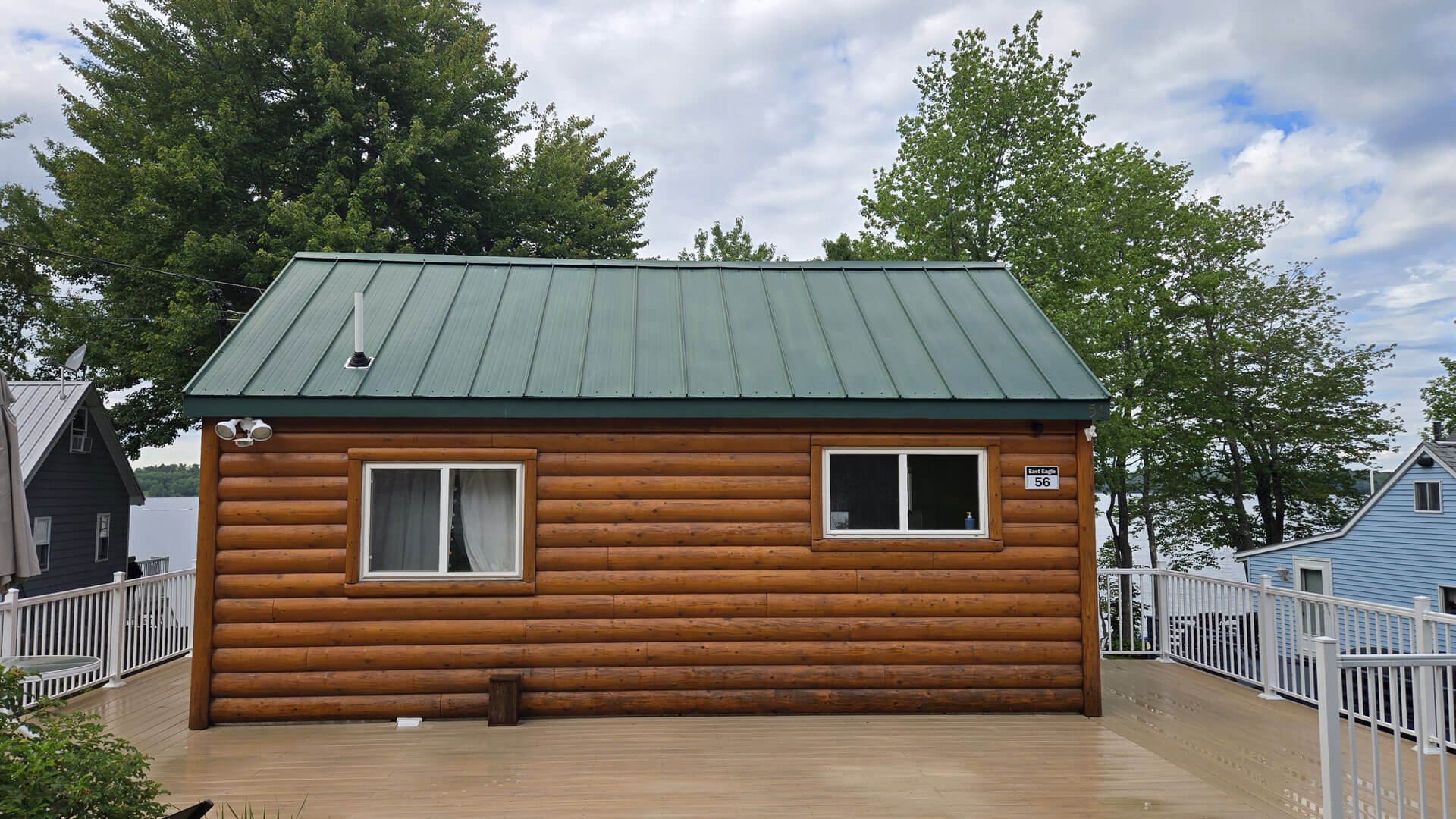
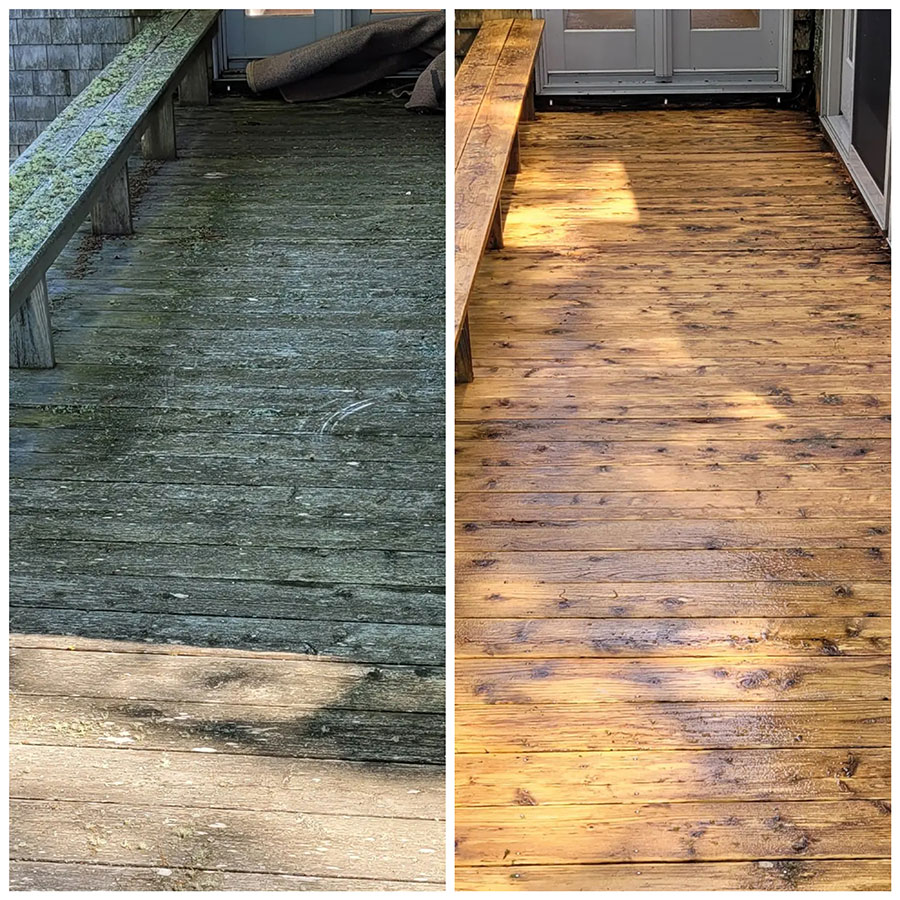
Wood requires a more careful approach than concrete or masonry. Although it’s durable, excessive pressure or improper cleaning techniques can damage its natural fibers. Professional power washing removes dirt, mildew, algae, and weather-related buildup while preserving the wood’s surface and preparing it for continued use or future maintenance.
Decks Benefit From Routine Cleaning
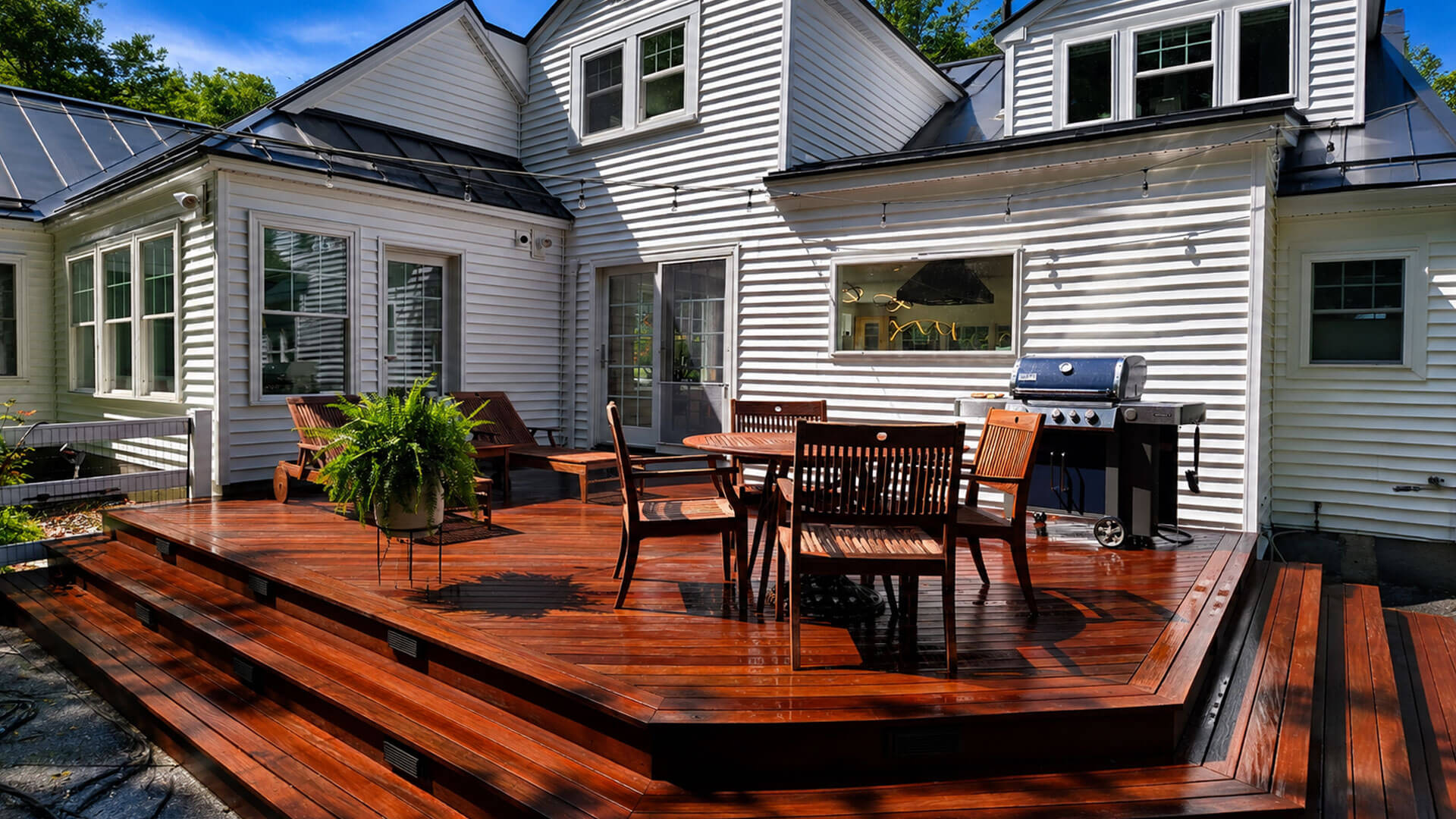
Wooden decks endure changing weather, foot traffic, outdoor furniture, and falling leaves throughout the year. Dirt, pollen, and moisture gradually collect between deck boards, creating conditions where mildew and algae can thrive.
Routine cleaning helps prevent these contaminants from becoming deeply embedded while restoring the wood’s natural appearance. It also creates a better surface for staining or sealing and makes outdoor spaces more inviting for everyday use and entertaining.
Cleaning can provide another advantage for older decks. Removing accumulated grime makes it easier to inspect boards, railings, and fasteners for signs of wear before small issues become larger repairs.
Fences and Other Wood Features
Fences, pergolas, privacy screens, and other exterior wood structures also benefit from regular cleaning. Because they’re exposed year-round, they naturally collect dust, pollen, algae, mildew, and airborne debris that leave them looking weathered long before the wood reaches the end of its service life.
Professional technicians adjust both pressure and technique to match the wood’s condition, removing buildup efficiently while avoiding unnecessary surface damage. If you’re planning to stain or refinish exterior wood, a thorough cleaning also helps coatings adhere more evenly.
Exterior Building Surfaces That Benefit From Power Washing
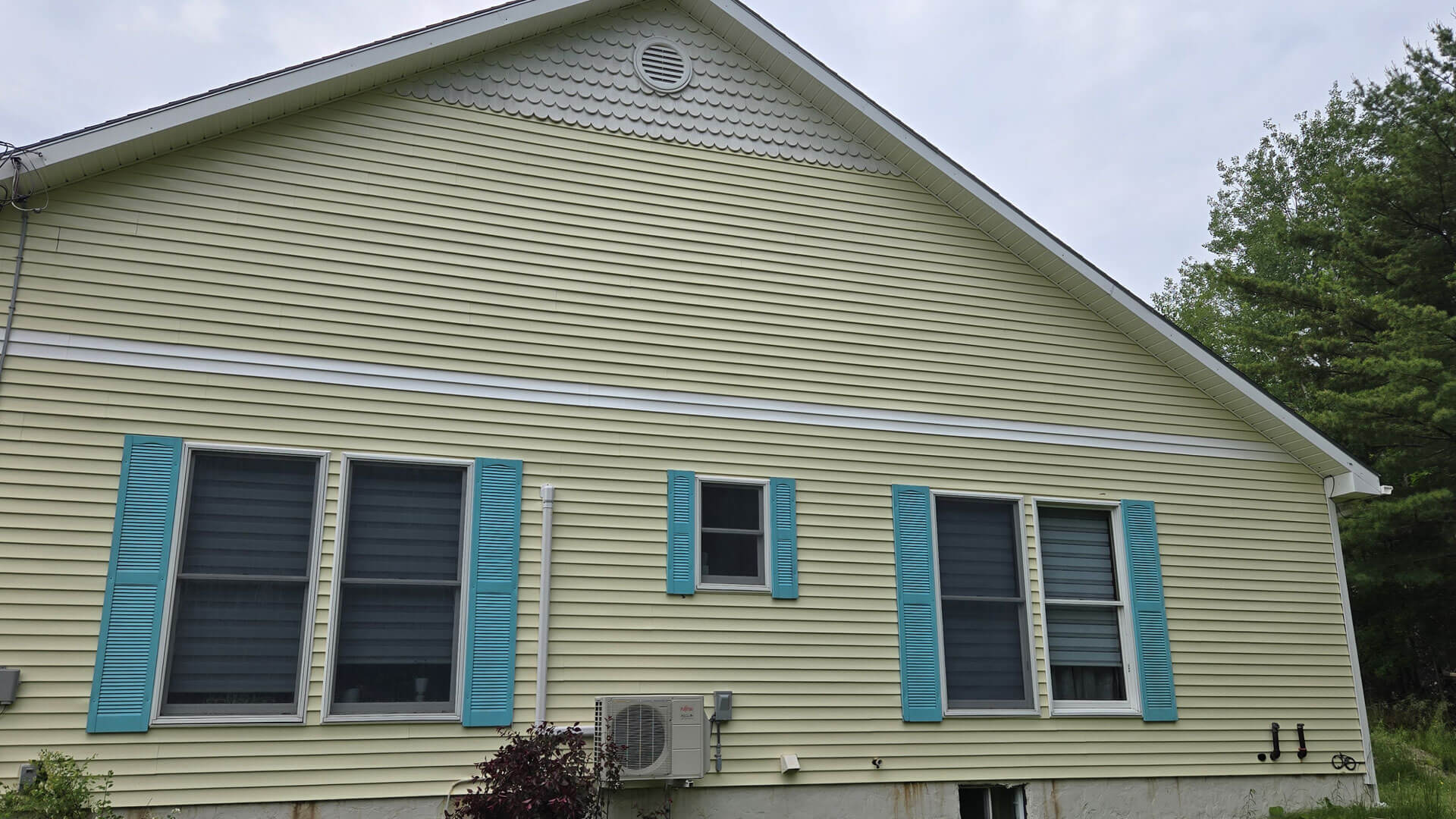
Many of the largest surfaces on your property also benefit from routine cleaning. Regular power washing removes dirt, organic growth, and environmental contaminants while helping maintain curb appeal throughout the year.
Roofs
Roofs are constantly exposed to moisture, pollen, airborne debris, and changing weather. Over time, algae, moss, mildew, and dirt can accumulate, especially in shaded areas where moisture lingers after rainfall.
Because every roofing material responds differently, professional contractors evaluate the roof before selecting the safest cleaning method. Matching the technique to the roofing system helps restore its appearance while protecting the materials underneath.
Gutters and Drainage Areas
Clean gutters do more than improve your home’s appearance. They help direct rainwater away from the building and support proper drainage.
Leaves, twigs, roof granules, and other debris gradually restrict water flow, increasing the risk of overflow during heavy rain. Professional cleaning removes this buildup while allowing technicians to safely reach elevated areas that are often difficult for homeowners to access.
Commercial Buildings
Commercial properties face constant exposure to vehicle traffic, pedestrians, weather, and airborne pollutants. Storefronts, sidewalks, loading areas, entrances, and exterior walls gradually lose their clean appearance as dirt and grime accumulate.
Routine power washing helps businesses:
- Maintain a professional appearance
- Create a cleaner environment for employees and customers
- Remove buildup before it becomes more difficult to clean
- Support ongoing property maintenance
For many businesses, scheduled exterior cleaning becomes a simple way to protect curb appeal throughout the year.
Commercial Equipment and Specialty Cleaning
Power washing extends well beyond residential properties. Commercial and industrial equipment often operates in demanding conditions where grease, mud, road grime, and other contaminants build up quickly.
Professional contractors adjust water temperature, pressure, and cleaning methods to match both the surface and the type of buildup, allowing them to clean efficiently while protecting the equipment itself.
Heavy Equipment and Work Vehicles
Construction equipment, agricultural machinery, utility vehicles, trailers, and commercial trucks are exposed to harsh environments every day. Mud, hydraulic fluid, grease, and road grime can quickly accumulate, making routine cleaning an important part of ongoing maintenance.
Removing heavy buildup makes equipment easier to inspect, helping operators identify fluid leaks, worn hoses, damaged components, and other maintenance concerns before they become larger problems. Regular cleaning also helps businesses present a more professional image when vehicles arrive at customer sites or public job locations.
Specialty Cleaning Projects
Some surfaces require specialized cleaning methods that go beyond routine exterior maintenance.
Examples include:
- Graffiti removal
- Fleet washing
- Playground sanitization
- Industrial equipment cleaning
- Large commercial properties
- Municipal facilities
Because every project presents different challenges, professional contractors evaluate the material, contamination, and cleaning goals before selecting the appropriate approach. This flexibility allows power washing to be used across a wide range of residential, commercial, municipal, and industrial applications.
Why Does Professional Power Washing Deliver Better Results?
Successful cleaning depends on selecting the right combination of equipment, water temperature, pressure, cleaning solutions, and application techniques for each project.
Experienced technicians adjust:
- Water pressure: Matching spray force to the material’s strength and condition
- Water temperature: Improving the removal of grease, grime, organic buildup, and stubborn stains
- Spray pattern: Selecting the appropriate nozzle and angle for even, controlled cleaning
- Cleaning products: Using specialized solutions when needed to loosen contaminants
- Application technique: Maintaining consistent movement and distance to achieve uniform results
Each adjustment contributes to better cleaning performance while helping protect the surface being washed.
Restore Your Property With Professional Power Washing
Whether you’re maintaining your home, preparing a commercial property for customers, or keeping work equipment in top condition, professional power washing provides an efficient way to remove dirt, grime, mold, mildew, grease, and other stubborn contaminants.
Downeast Mobile Power Wash LLC provides dependable power washing services throughout Maine. Our certified and insured team uses professional equipment with adjustable pressure and variable water temperatures to safely clean decks, concrete, roofs, commercial buildings, heavy equipment, trucks, and specialty surfaces.
We make it easy to restore your property’s appearance. Contact us today at (207) 989-8848 to schedule your professional power washing service.